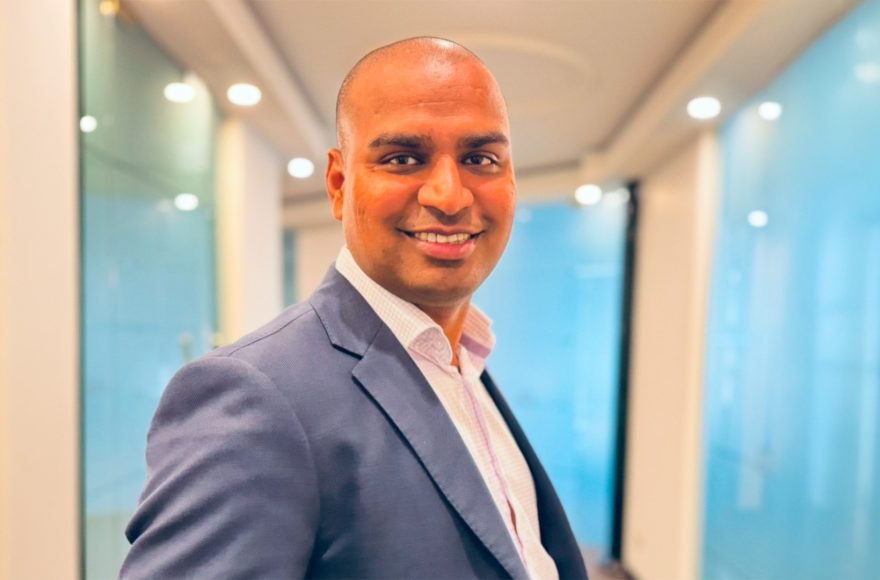
Richard Hinton: You Can Outsource the Analysis. You Can’t Outsource the Answer.


The pitch for AI in people decisions is hard to refuse. Reorg scenarios modeled in minutes instead of weeks. Promotion slates, compensation bands, and team structures compared side by side before the leadership meeting ends. The capability is real, and leaders who ignore it will be outrun by the ones who don’t. But speed is only half the transaction. The other half happens later, in a small room, when someone affected by the decision asks why. Richard Hinton, an executive coach and People advisor with more than 20 years in People leadership, most recently at CPO scope, now advises organizations on their People strategy while developing their emerging leaders. He argues that most organizations are buying the first half and hoping the second takes care of itself. It doesn’t. “Speed is the sell,” he says. “Nobody’s thinking about the conversation on the other side of it.”
Long before AI entered the conversation, Hinton sat on the People side of that table. The bad news was rarely the hardest part. The hardest part was explaining a decision when the leader behind it couldn’t explain it to him.
The Sentence That Ends a Leader’s Credibility
One answer can undo a leader’s standing in a single meeting. “If your honest answer in that room is ‘the model recommended it,’ you haven’t made a decision. You’ve outsourced one and kept the title.” The distinction isn’t semantic. A leader who can defend a call on its merits, including the parts the model never saw, is exercising authority. A leader who can only recite an output has become a courier, and everyone in the room knows it before the meeting ends.
What makes this dangerous is how quietly it spreads. Speed and judgment get treated as the same thing, often by people who should know better. “A model can tell you what’s efficient,” Hinton says. “It can’t tell you whether you’ll be able to look someone in the eye and defend your position.” Organizations tend to find the gap late, because the cost lands on individual leaders, not on the budget. And it lingers. People remember the first time they realize a decision about their career was made by someone who never really looked at it.
Transparency Is Not the Safeguard Everyone Thinks It Is
The standard corporate response to algorithmic anxiety is disclosure. Publish the inputs, explain the weightings, walk people through the logic. Hinton considers this a well-intentioned misreading of what trust runs on. “Transparency explains the math. It doesn’t touch the relationship.” You can take someone through every variable in a model and still lose them, because understanding a mechanism was never what made people believe in their leadership.
What builds trust is evidence of reversibility. Not a better explanation, but a changed outcome. “What protects trust is whether people have watched you reverse a decision because someone made a real case against it,” Hinton says. When a team hears a leader say the model flagged this, but you’re right, that’s not the full picture, let’s redo it, they learn that a human is still holding the pen. When they only get more detailed justifications and the outcome never moves, they learn the opposite. “They learn the explanation is theater and the decision was made before they walked in the room.” Governance documents and explainability dashboards, however rigorous, don’t buy trust on their own. Credibility comes from being seen changing your mind.
The Muscle That Atrophies First
Ask what weakens as AI takes on more of the analytical load, and most people point vaguely at judgment. Hinton is more specific. What goes first is “the willingness to disagree with something efficient.” Arguing with a bad recommendation is easy. Arguing with a fast, well-reasoned one that’s probably right most of the time is a different thing, and the cost of doing it has quietly gone up. Pushing back takes time. It feels like second-guessing a process that did the work faster than any person could.
The loss isn’t capability. It’s tolerance for friction, and it compounds. “That discomfort doesn’t come back because you needed it once,” Hinton says. “It comes back because you kept using it, enough times that disagreeing still feels normal instead of like friction.” He offers a test sharp enough for any board review: ask a leader what they changed about the recommendation before acting on it. “If the answer is nothing, that’s not sharpening. That’s hiding.” Leaders who use these tools well treat them like a second opinion from someone who has read everything and has no stake in the outcome. They take the recommendation, argue with it, press on what doesn’t sit right, then own where they land. The ones who don’t skip the argument and repeat the output. If it turns out wrong, it wasn’t really them who called it.
The Question He Asks Instead
When a leader gets it wrong, Hinton skips the debrief they usually want. He doesn’t open with what went wrong. He asks what they noticed and ignored. Often, there’s something. A gut check overridden because the model looked more certain than instinct. Context the tool couldn’t have had, and nobody brought into the room. The question is uncomfortable on purpose. It keeps the conversation from becoming a critique of the software, which is where leaders retreat because it’s easier than looking at themselves. And it puts ownership back with the person who made the decision, not the screen they were looking at.
The model can carry the analysis. It can’t carry the answer. That still belongs to the person whose name is on the decision.
Richard Hinton is the founder of Richard A. Hinton LLC. He has spent more than 20 years in People leadership, most recently at CPO scope. His work ranges from building a People function from the ground up at a high-growth tech startup to leading regional People strategy and leadership development at a major national builder. He was recognized as a Crain’s Notable HR Leader. Today he coaches executives and leaders at every level, with a particular focus on LGBTQIA+ and underrepresented leaders. He advises organizations on People strategy and special projects and partners with a leadership development firm to design and deliver programs for emerging leaders. His work comes down to one thing: helping leaders build the trust execution runs on. Connect with Richard on LinkedIn.