Rhonda Parmer: The 9-5 Founder’s Guide to Building Without Burning Out
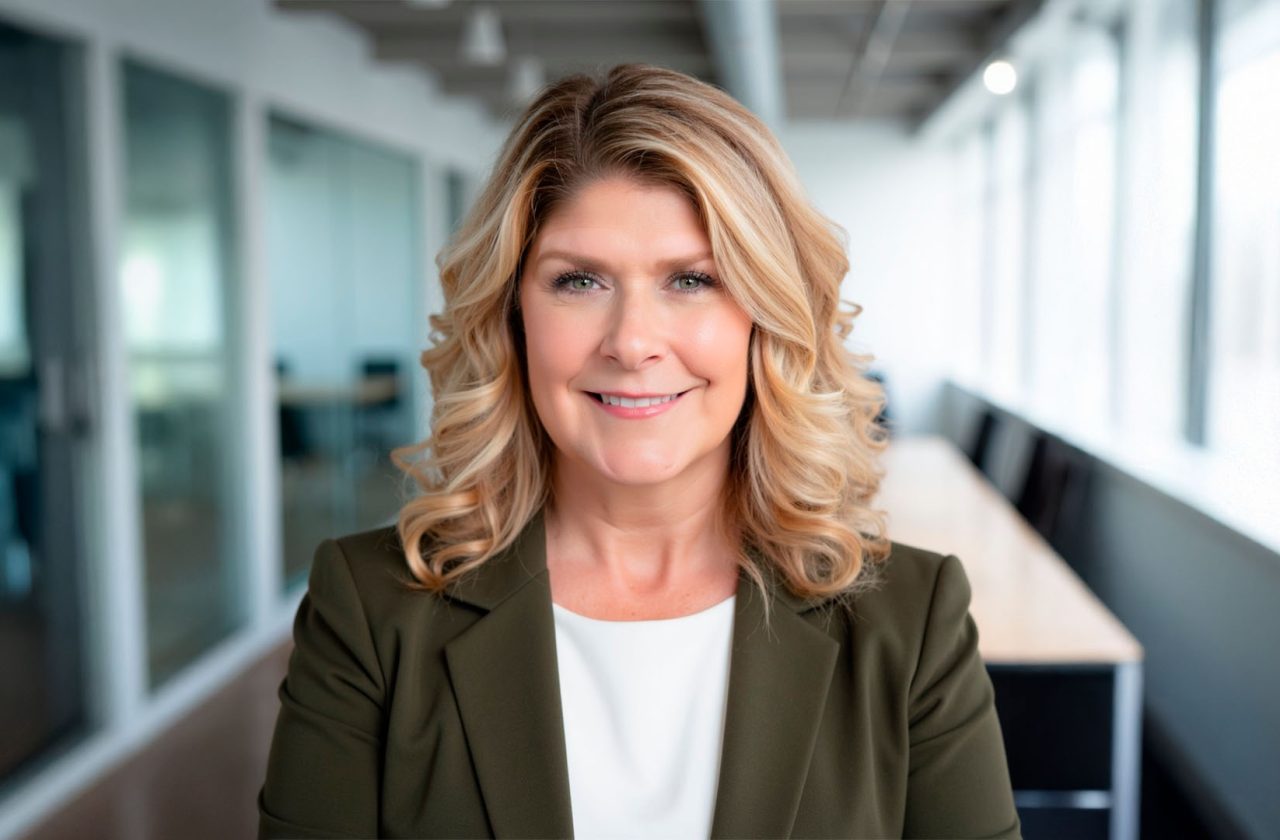

Balancing a demanding day job while building an early-stage company often leads founders to believe that working around the clock is the only path to progress. Rhonda Parmer sees the issue differently, suggesting that founder burnout stems from an inability to distribute authority rather than a lack of effort. For professionals navigating dual responsibilities, sustained progress requires moving away from the daily execution trap and stepping into high-level decision-making. “Step one: realize you, as the leader, were never meant to do everything or even most of the things,” Parmer explains.
Moving Past the Default Answer Desk
When early-stage leaders store all operational knowledge in their own heads, they quietly turn themselves into the primary hurdle to daily operations. Team members stop looking for answers on their own and instead queue up for founder input on routine questions. “So many people leave the knowledge in their heads as they grow their businesses or teams,” Parmer notes. “They need to create SOPs, handbooks, hub sites, etc., to empower others to find answers and become more self-sufficient.”
This habit of constant availability is easy to mistake for active leadership, but it ultimately creates an unhealthy cycle of dependency. Work slows down, projects stall, and teams lose their confidence when every small choice requires executive approval. “The habit of always being available to answer every question or grant permission on every decision creates a leader who is a rescuer. The less the team owns, the more the leader must rescue, and now there is just a waiting line out the door, not a team,” Parmer says. That steady stream of interruptions leaves founders exhausted and unable to find time for strategic priorities.
The E.A.S.E. Framework for Team Ownership
Fixing this dynamic begins with letting go of the belief that an executive must serve as the universal solver of problems. Parmer points out that what many founders describe as personal accountability is often just reluctance to surrender operational control. “The leader must let go of the idea that their superpower is answering every question and making every decision,” she says. To guide teams toward real independence, she uses a four-part method called the E.A.S.E. Framework. The process starts by engaging team members in the problem to gather their direct viewpoints and insights. Leaders then align those individuals to the target outcome by looking at their natural strengths, while simplifying the work by setting up-front boundaries and non-negotiables. Finally, the founder empowers the team by clearly defining who holds decision rights at each phase of the project. “You cannot ask people to take ownership when you keep taking the work back,” Parmer emphasizes.
Delegating Authority Instead of Tasks
Handing off tasks is common in growing companies, but true operational independence requires transferring real authority. When employees only complete checklists without owning the final result, the leader still carries the mental burden of the work. “This is not simply delegation,” Parmer explains. “Pure delegation transfers a task. Clear decision rights transfer appropriate authority with the task.” Placing authority directly with the people doing the work allows the team to resolve issues without waiting for executive sign-off. Once decision rights are established across the team, founders can protect their limited time for higher-level company priorities. Stepping away from routine approvals frees up mental bandwidth for strategic planning and critical risk management. “When leaders no longer have to answer every question, attend every meeting, or approve every routine action, they can reserve energy for strategic, high-risk, and truly executive decisions,” Parmer states. That shift reduces founder fatigue while building mutual trust and operational confidence across the organization.
The future of founder-led companies will rely less on individual leaders acting as central information hubs for daily operations. Sustainable scale comes from converting founder experience into shared company systems that everyone can use. “The next generation of founder-led teams will not be built around the founder serving as the quantum chip of memory to answer and decide everything,” Parmer says. “They will be built around the founder’s ability to recognize expertise, create clarity, and multiply leadership across the organization.” This shift allows the organization to deliver on the founder’s vision without requiring their presence in every room. Dual-career founders who build predictable working rhythms and support their teams can lead effectively while protecting their own well-being. “Staying ahead does not mean removing the founder completely; it means removing them as the bottleneck,” Parmer notes. For leaders managing both a corporate role and a growing venture, the final step remains straightforward: “Step two: Set a clock and leave on time.”
Follow Rhonda Parmer on LinkedIn for more insights on founder burnout, scaling leadership, and building operational frameworks that empower early-stage teams.